.png?width=700&height=179&name=The-Big-Unlcok-Logo-2025%20(1).png)
To receive regular updates
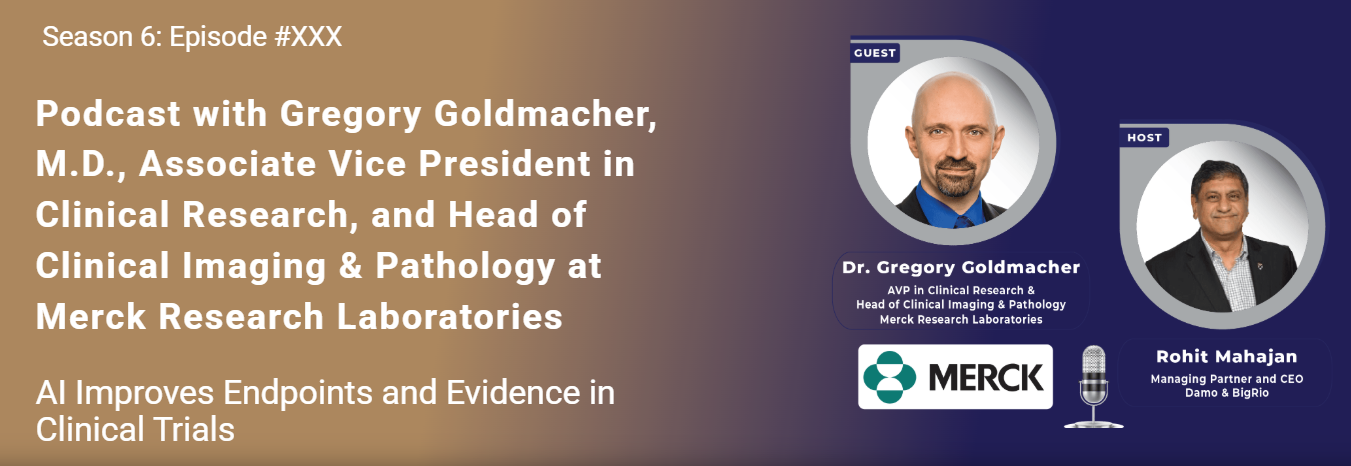
In this episode, Dr. Greg Goldmacher, Associate VP of Clinical Research at Merck, known as MSD outside of the United States and Canada, explains how AI is transforming imaging, clinical trials, and early-stage drug development. Greg describes endpoints as the core of every clinical trial, since they determine whether a therapy is safe or effective. He notes that AI is not new to imaging and aligns well with pattern recognition, yet its real value lies in identifying details that humans often miss.
Greg stresses that drug development still depends on huge volumes of data spread across legacy systems. Without strong data standardization, AI cannot deliver reliable results. He also points to the FDA’s evolving guidance on AI and emphasizes the need for rigorous validation before using AI-derived measurements for regulatory decisions.
Greg highlights the opportunity to improve efficiency, reduce human burden, and generate more consistent insights. With thoughtful adoption, AI can support better decisions in clinical development and improve outcomes for patients. Take a listen.
About Our Guest
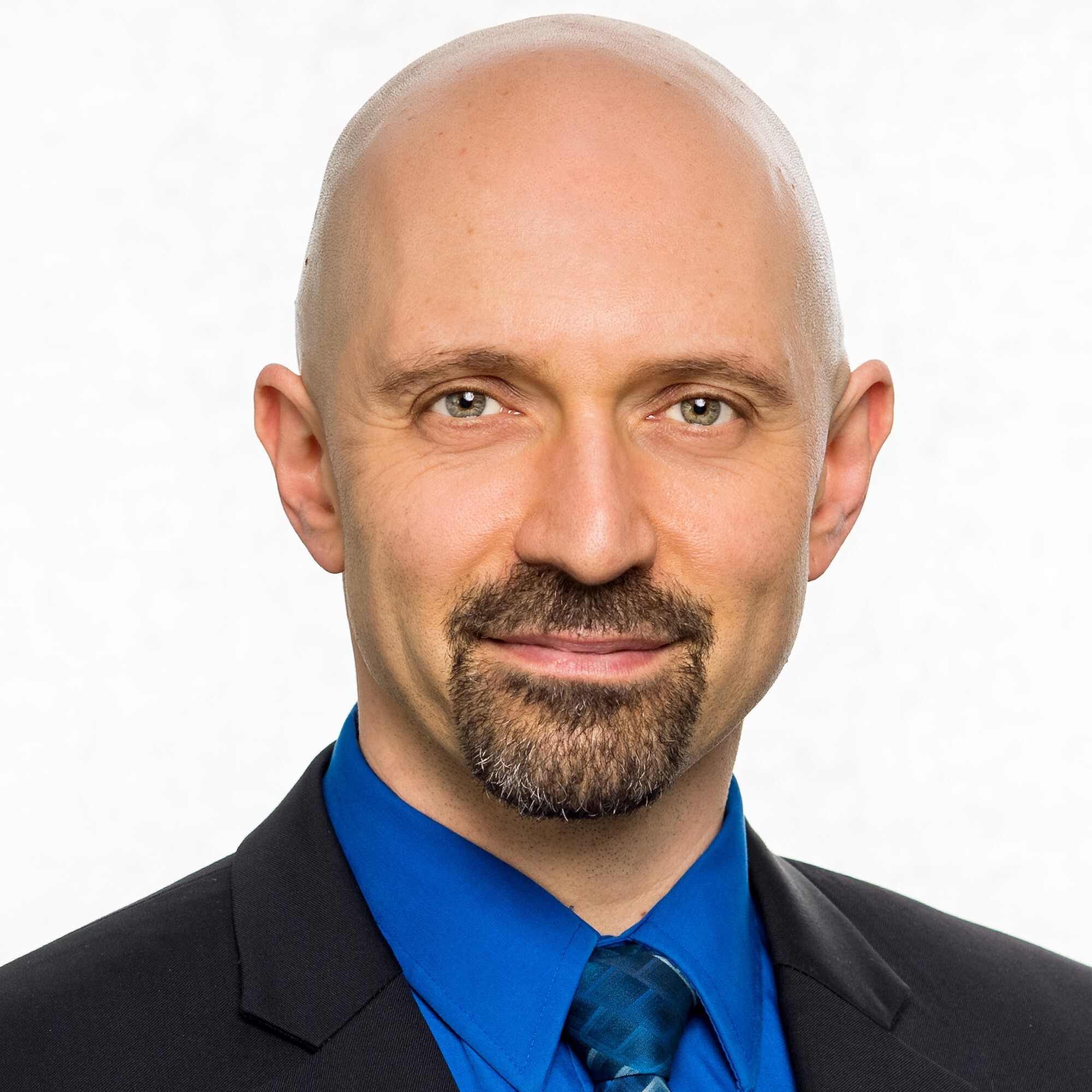
Dr. Gregory Goldmacher is currently Associate Vice President in Clinical Research, and Head of Clinical Imaging & Pathology at Merck Research Laboratories. With his team of physicians and scientists he oversees the use of imaging and clinical pathology assessments in approximately 300 clinical trials across all therapeutic areas. In addition, he leads multi-disciplinary research efforts in artificial intelligence, tumor modeling, novel oncology response criteria, and other innovative approaches in drug development. He also supports business development, strategic venture investments, data standardization, and educational initiatives.
Prior to Merck, he was a senior medical director and Head of Oncology Imaging at ICON. He has held leadership positions in numerous collaborative groups across industry and academia focused on clinical trial methods, artificial intelligence, quantitative imaging, and data standards.
Greg received his bachelor’s degree from the University of Chicago, his MD and PhD in Neuroscience from the UT Southwestern Medical Center, and his MBA from Temple University’s Fox School of Business. He did his clinical training in diagnostic radiology, with fellowships in neuroscience and neuroimaging at the Massachusetts General Hospital and Thomas Jefferson University. He lives in the Boston area.
About the Host
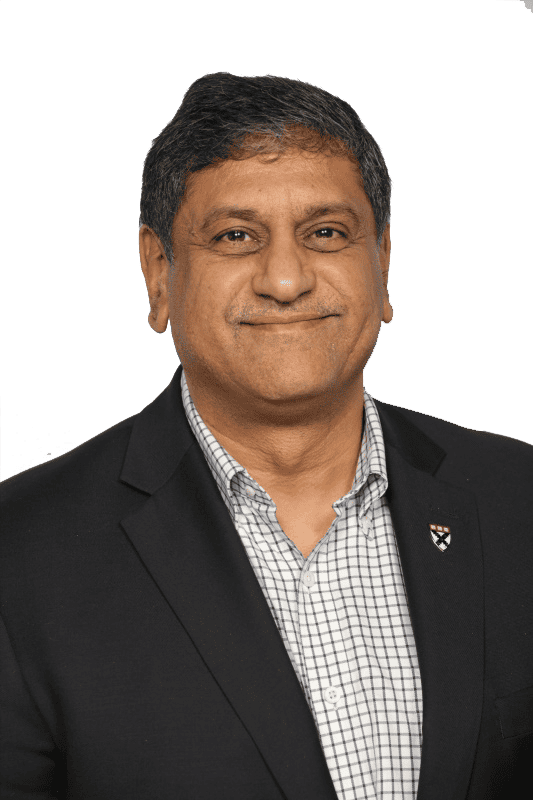
Rohit Mahajan is an entrepreneur and a leader in the information technology and software industry. His focus lies in the field of artificial intelligence and digital transformation. He has also written a book on Quantum Care, A Deep Dive into AI for Health Delivery and Research that has been published and has been trending #1 in several categories on Amazon.
Rohit is skilled in business and IT strategy, M&A, Sales & Marketing and Global Delivery. He holds a bachelor’s degree in Electronics and Communications Engineering, is a Wharton School Fellow and a graduate from the Harvard Business School.
Rohit is the CEO of Damo, Managing Partner and CEO of BigRio, the President at Citadel Discovery, Advisor at CarTwin, Managing Partner at C2R Tech, and Founder at BetterLungs. He has previously also worked with IBM and Wipro. He completed his executive education programs in AI in Business and Healthcare from MIT Sloan, MIT CSAIL and Harvard School of Public Health. He has completed the Global Healthcare Leaders Program from Harvard Medical School.
About the Legend
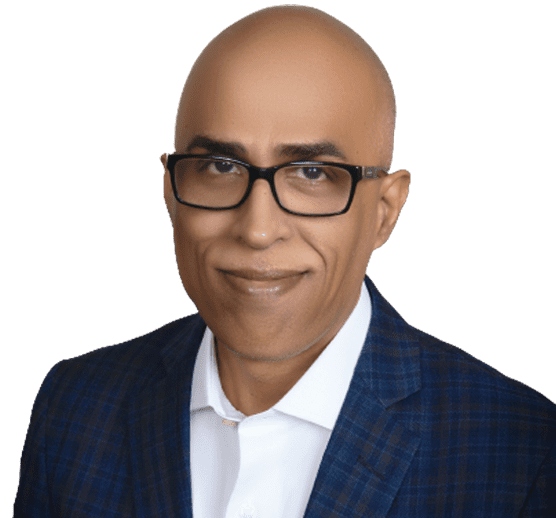
Paddy was the co-author of Healthcare Digital Transformation – How Consumerism, Technology and Pandemic are Accelerating the Future (Taylor & Francis, Aug 2020), along with Edward W. Marx. Paddy was also the author of the best-selling book The Big Unlock – Harnessing Data and Growing Digital Health Businesses in a Value-based Care Era (Archway Publishing, 2017). He was the host of the highly subscribed The Big Unlock podcast on digital transformation in healthcare featuring C-level executives from the healthcare and technology sectors. He was widely published and had a by-lined column in CIO Magazine and other respected industry publications.